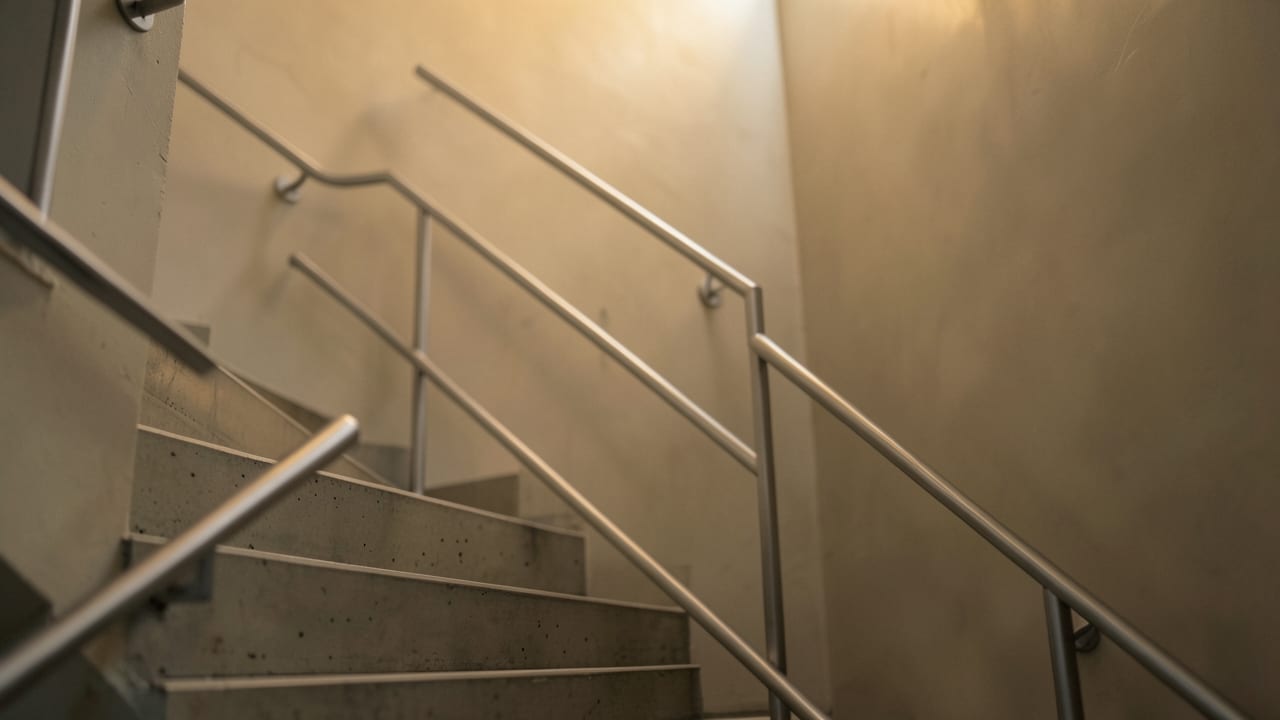
Stairwell Mold Remediation
Professional mold removal and prevention in stairwells to restore safe, clean spaces.
Stairwell mold remediation in Line Lexington, PA addresses mold growth in staircases, landings, and connected areas by safely removing affected materials, treating surfaces, and preventing regrowth.
This process targets visible and hidden spores to protect your home’s structure and air quality, using containment, HEPA filtration, and moisture control to minimize disruption and recurrence.
We also handle Commercial Mold Remediation and Mold Prevention & Moisture Control for Line Lexington properties.
When stairwell mold remediation is needed
Mold in stairwells often signals deeper issues, especially when it covers more than a small patch or keeps returning after cleaning. Growth that spreads across multiple steps, landings, or connected areas—like basements or attics—typically requires professional remediation rather than DIY methods.
Visible mold is only part of the problem; hidden spores in framing, subflooring, or ductwork can spread if moisture sources aren’t addressed.
A musty smell with no visible mold, or one that worsens when the HVAC runs, often means spores are circulating through your home’s air system. Persistent dampness in stairwell areas—from leaks, poor ventilation, or outdoor grading issues—creates ideal conditions for mold to return after removal.
Professional remediation focuses on both visible growth and the underlying causes to help reduce the risk of regrowth.
Signs Professional Remediation Is Needed
- Mold covers more than 25 contiguous square feet (a common threshold for professional work).
- Growth returns in the same spot after cleaning, suggesting a moisture source wasn’t fixed.
- A musty smell persists even after visible mold is removed, or worsens with HVAC use.
- Stairwell materials (drywall, carpet padding, insulation) show deep staining or crumbling, indicating mold has penetrated porous surfaces.
- Dampness or water stains appear on steps, landings, or connected walls, signaling ongoing moisture exposure.
What affects cost and scope
The cost of stairwell mold remediation depends on the size of the affected area, the type of mold, and the materials involved. Black mold or extensive growth typically requires more labor and specialized treatments than surface-level mold.
Hidden mold behind walls, under flooring, or in ductwork adds to the scope, as does the need to replace saturated or structurally compromised materials like drywall or insulation.
Containment, HEPA air scrubbing, and clearance testing are standard steps that ensure spores aren’t spread during removal. These measures add to the upfront cost but help reduce the risk of recurrence.
Pricing also varies based on whether the moisture source—like a leak, condensation, or grading issue—is addressed during the job, as fixing it helps prevent future growth.
Common mistakes to avoid
Skipping containment during removal can turn a contained job into a larger problem by spreading spores to unaffected areas. Using non-HEPA vacuums or air scrubbers recirculates spores instead of capturing them, while failing to address the moisture source—like a leak or poor ventilation—leaves materials vulnerable to regrowth.
Without clearance testing, there’s no independent confirmation that spore levels have returned to normal ranges after remediation.
Pressure to sign a contract during the inspection visit or paying in full upfront removes leverage if the work doesn’t match the scope. Always review a written, itemized quote that specifies square footage, testing methods, and whether the moisture source will be addressed.
Comparing bids from multiple providers ensures you understand what’s included before work begins.
Avoid bids that exclude containment, clearance testing, or a written scope of work. Verbal estimates without itemized details make it difficult to compare providers or hold them accountable for missed steps.
How stairwell mold remediation works
This process isolates the affected area, removes contaminated materials, treats surfaces, and ensures moisture levels are safe to prevent regrowth.
- 1Containment Setup
Plastic sheeting and negative-air machines seal off the stairwell and connected spaces to prevent spores from spreading during removal. This step is critical for keeping unaffected areas of your home free of contamination.
- 2Material Removal and Treatment
Porous materials like drywall, insulation, or carpet padding that absorb mold are cut out and bagged inside containment. Non-porous surfaces, such as tile or framing, are scrubbed and treated with antimicrobial solutions to kill remaining spores.
- 3HEPA Filtration and Cleanup
HEPA-filtered air scrubbers run continuously to capture airborne spores, while surfaces are vacuumed with HEPA-equipped tools. This ensures spores aren’t recirculated into the air or settled in other areas of your home.
- 4Structural Drying
Industrial dehumidifiers and air movers dry framing, subflooring, and connected materials to normal moisture levels. Mold regrows on damp surfaces, so this step helps reduce the risk of recurrence.
- 5Clearance Testing
An independent lab tests air or surface samples to confirm spore counts are within normal ranges before containment is removed. This step provides objective evidence that the remediation was effective.
Frequently asked questions
How do I know if my stairwell mold is past the DIY stage?
If mold covers more than 25 square feet, keeps returning after cleaning, or you notice a musty smell without visible growth, professional remediation is typically recommended. Hidden mold in walls, ductwork, or framing also signals the need for a licensed contractor.
Will remediation fix the moisture problem causing the mold?
Remediation removes existing mold, but fixing the moisture source—like a leak, condensation, or grading issue—is separate. Addressing the root cause helps reduce the risk of regrowth, so ask providers whether they include moisture source repairs in their scope.
Do I need to leave my home during the remediation process?
You may need to vacate the stairwell area during active work, but containment limits disruption to other parts of your home. Providers typically schedule this around your routine to minimize inconvenience.
How long does it take to complete stairwell mold remediation?
Timing depends on the size of the affected area, drying requirements, and whether hidden mold or moisture issues are addressed. Drying time can take days, especially in humid conditions, and clearance testing adds additional time to the process.
See Chalfont, PA for more, or take a look at every option available in Line Lexington in full for our complete lineup.
Ready to get started?
Talk to a local mold remediation pro in Line Lexington — get a written quote.
Other Mold Remediation Services in Line Lexington
Commercial Mold Remediation in Line Lexington, PA
Commercial mold inspection and remediation in Line Lexington, PA for offices, retail space, and multi-unit properties, scheduled around business operations.
Learn More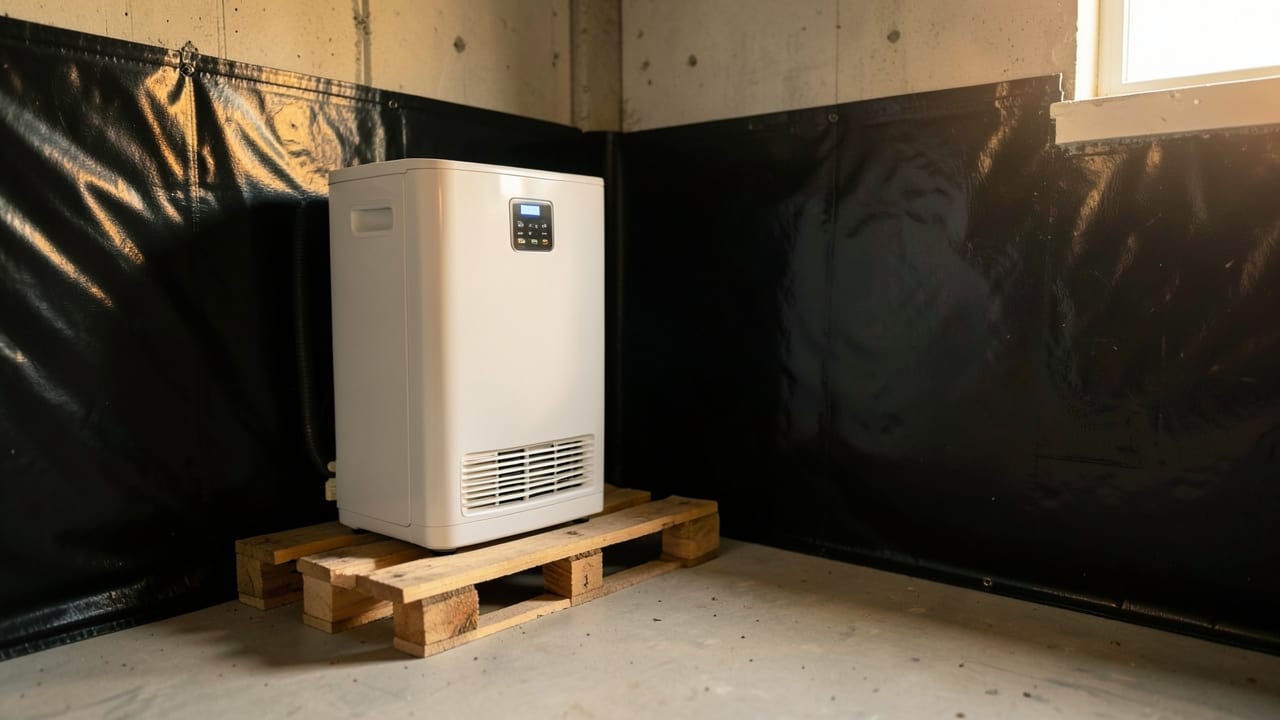
Mold Prevention & Moisture Control in Line Lexington, PA
Mold prevention and moisture control in Line Lexington, PA — addressing ventilation, humidity, and drainage before growth starts, not after.
Learn More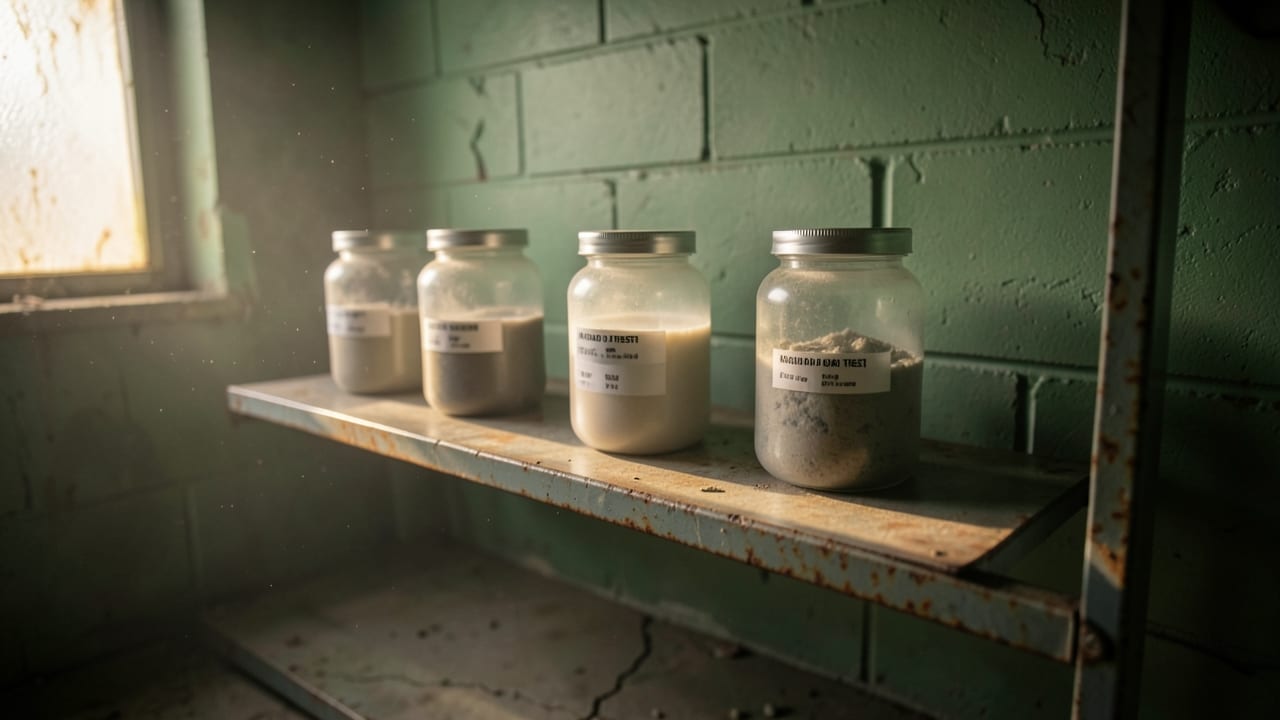
Mold & Asbestos Testing in Line Lexington, PA
Combined mold and asbestos testing in Line Lexington, PA — one inspection visit, lab-verified results for both.
Learn More
HVAC Mold Remediation in Line Lexington, PA
HVAC and ductwork mold remediation in Line Lexington, PA — mold growing inside the air handler or duct system, spreading through every vent.
Learn More
Drywall Mold Remediation in Line Lexington, PA
Professional removal and treatment of mold growth behind or on drywall surfaces.
Learn More
Concrete Mold Remediation in Line Lexington, PA
Professional removal and treatment of mold from concrete surfaces in homes.
Learn MoreCommon Questions About Mold Remediation in Line Lexington
Everything you need to know about mold remediation services in Line Lexington
How much does Stairwell Mold Remediation typically cost in Line Lexington, PA?
Why does Line Lexington, PA's humidity make mold a bigger risk than in drier regions?
Is it safe to stay in the home during mold remediation?
Can small mold problems be handled without hiring anyone?
What's the actual difference between mold removal and mold remediation?
Is a final clearance test part of a typical mold remediation job?
Need Mold Remediation in Line Lexington?
Connect with local providers in Line Lexington for a detailed quote.
⏰ We answer your call • Serving all of Line Lexington and surrounding areas