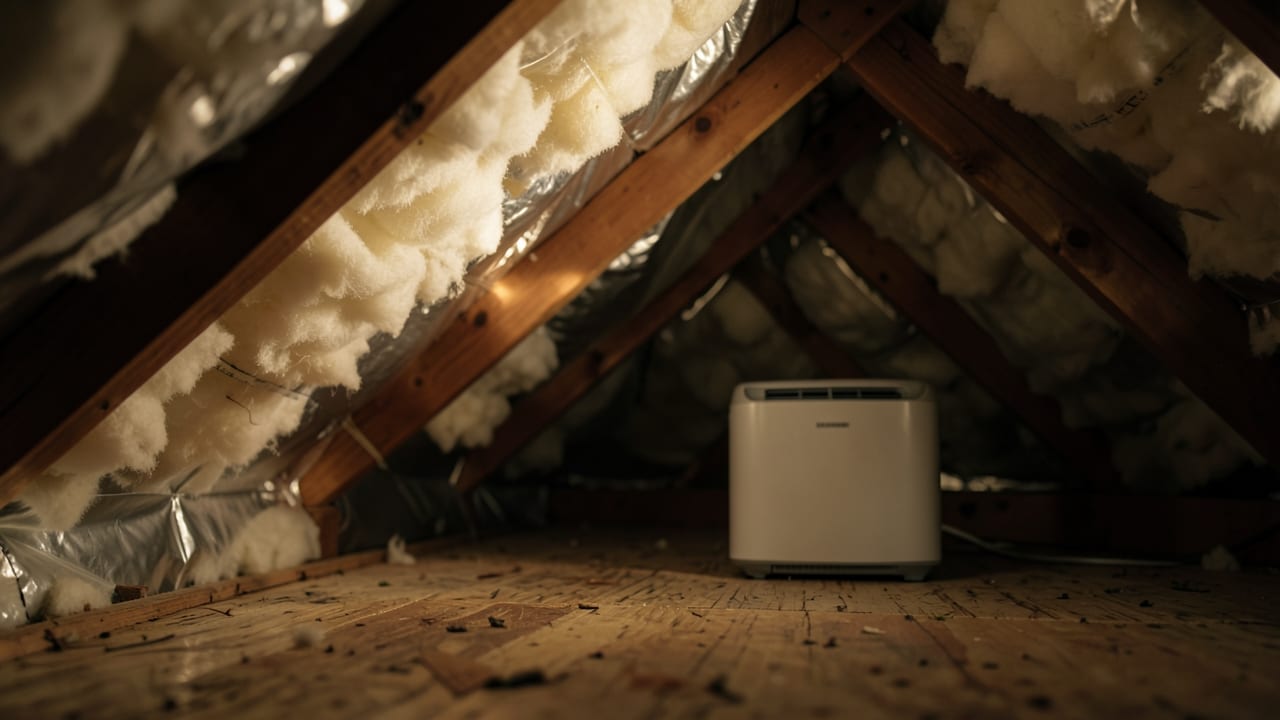
Pre-Winter Mold Prevention
Pre-winter mold prevention involves inspection and treatment to stop mold growth before cold weather.
Pre-winter mold prevention in Line Lexington, PA, focuses on addressing moisture-prone areas like attics, basements, and crawl spaces before cold weather traps humidity inside.
This service helps prevent mold growth by sealing leaks, improving airflow, and applying protective treatments to vulnerable surfaces, reducing the risk of hidden damage before temperatures drop.
We also handle Hallway Mold Remediation and HOA Mold Remediation for Line Lexington properties.
When to consider pre-winter mold prevention
Moisture buildup in hidden spaces often goes unnoticed until mold becomes visible or a musty odor develops. Pre-winter is an ideal time to assess and address these issues before cold weather exacerbates humidity problems.
Signs that prevention may be needed include recurring mold in the same spot, damp areas that don’t dry, or a persistent musty smell—especially when HVAC systems are running.
Preventive work is most effective when combined with fixing the moisture source, such as sealing leaks, improving ventilation, or adjusting grading around the home. Without addressing the root cause, even thorough remediation may not prevent regrowth once conditions return to normal.
Signs You May Need Pre-Winter Mold Prevention
- Mold reappears in the same spot after cleaning or treatment.
- A musty odor lingers in a room, closet, or basement—even when no visible mold is present.
- Dampness persists in areas like crawl spaces, under sinks, or around windows despite attempts to dry them.
- Condensation collects on windows, walls, or pipes, indicating high indoor humidity.
- Visible mold covers more than a small, isolated patch (typically over 25 square feet).
What affects the cost and scope of pre-winter mold prevention
The cost of pre-winter mold prevention varies depending on the size of the affected area, the extent of moisture damage, and whether hidden mold or structural issues are involved.
Preventive treatments, such as sealing leaks or installing ventilation, are generally less expensive than full remediation but are critical to long-term success.
Clearance testing and containment measures add to the cost but ensure the work is thorough and minimizes the risk of spores spreading to unaffected areas. Skipping these steps can lead to hidden mold regrowth, requiring additional work later.
Common mistakes to avoid
Attempting to clean mold without addressing the moisture source is a common error. Mold will return if the underlying issue—such as a leak, poor ventilation, or high humidity—isn’t fixed. Similarly, using non-HEPA filtration equipment during remediation can spread spores rather than contain them, worsening the problem.
Another mistake is skipping containment or clearance testing. Without proper containment, spores can drift into other parts of the home, and without testing, there’s no confirmation that the mold has been fully removed. These oversights can turn a small job into a larger, more costly issue.
Removing visible mold without fixing the moisture source is the most common reason for recurrence. Always confirm that leaks, condensation, or grading issues are addressed as part of the preventive process.
How pre-winter mold prevention works
This process focuses on sealing moisture sources and improving airflow before cold weather traps humidity inside.
- 1Inspection and Moisture Assessment
A thorough inspection identifies areas prone to moisture buildup, such as attics, basements, and crawl spaces. Humidity levels and potential leak sources are evaluated to determine the best preventive measures.
- 2Sealing Leaks and Improving Ventilation
Gaps, cracks, or damaged seals around windows, pipes, and vents are repaired to prevent moisture entry. Additional ventilation, such as fans or dehumidifiers, may be installed in persistently damp areas like closets or windowless bathrooms.
- 3Applying Preventive Treatments
Vulnerable surfaces, such as framing or subfloors, are treated with antimicrobial solutions to inhibit mold growth. These treatments are most effective when combined with fixing the moisture source.
- 4Structural Drying (If Needed)
If dampness is already present, industrial dehumidifiers and air movers are used to dry the area before sealing it back up. This step ensures that hidden moisture doesn’t lead to future mold problems.
- 5Clearance Testing (Optional but Recommended)
Independent air or surface sampling confirms that spore levels are back to normal after preventive work. This step provides peace of mind that the area is truly mold-free and ready for winter.
Frequently asked questions
How do I know if my mold problem is severe enough to require professional prevention work?
If mold covers more than 25 square feet, keeps returning after cleaning, or is accompanied by a musty odor with no visible source, professional intervention is typically recommended. Persistent dampness in hidden areas, like behind walls or under flooring, also signals the need for expert assessment.
Will sealing leaks and improving ventilation really prevent mold from coming back?
Sealing leaks and improving airflow are critical steps, but their effectiveness depends on addressing the root moisture source. Without fixing issues like poor grading, condensation, or hidden leaks, mold can still return once conditions change.
Do I need clearance testing after preventive work is done?
Clearance testing isn’t always required for prevention, but it’s highly recommended if there was active mold growth. Testing confirms that spore levels are back to normal, giving you confidence that the area is truly protected for the winter.
Can I do some of this work myself, or should I hire a professional?
Simple tasks like sealing small leaks or installing a dehumidifier can often be DIY projects. However, if the area is large, hidden, or involves structural components, hiring a professional ensures the work is done safely and effectively to prevent future issues.
See Sellersville, PA for more, or check out our full Line Lexington-area coverage side by side for our complete lineup.
Ready to get started?
Talk to a local mold remediation pro in Line Lexington — get a written quote.
Other Mold Remediation Services in Line Lexington
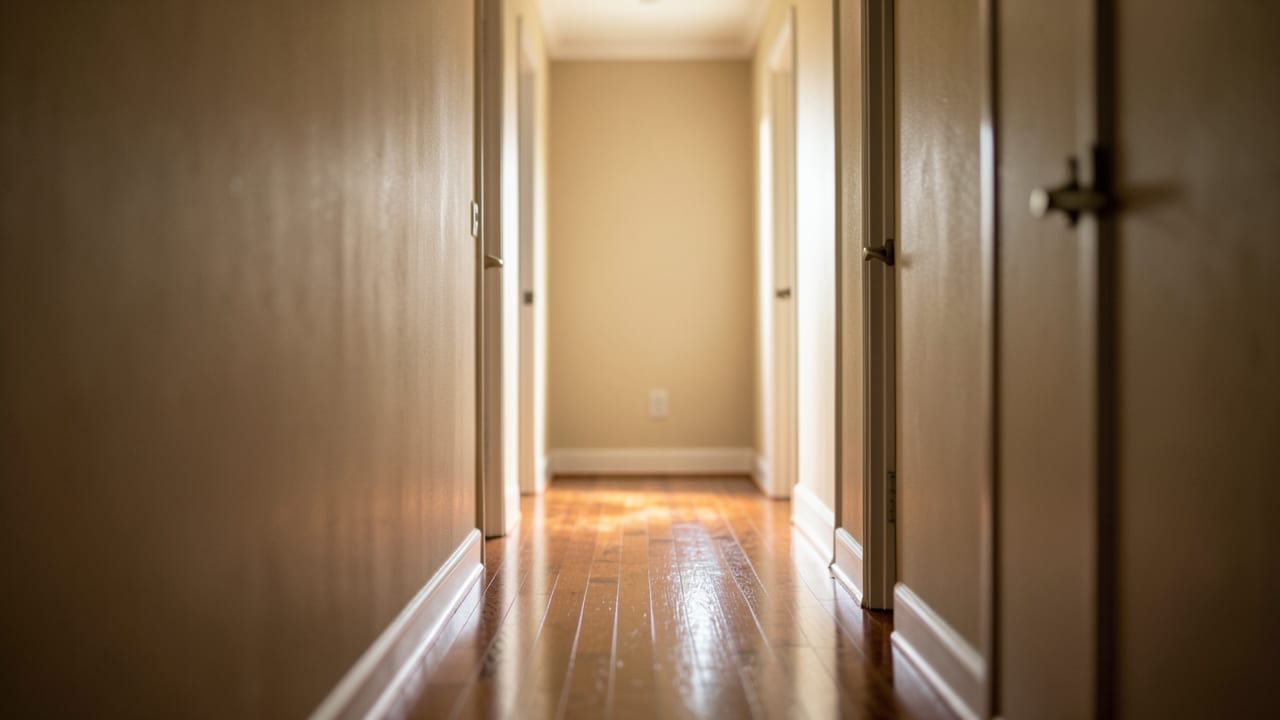
Hallway Mold Remediation in Line Lexington, PA
Professional removal and treatment of mold growth in residential hallways.
Learn More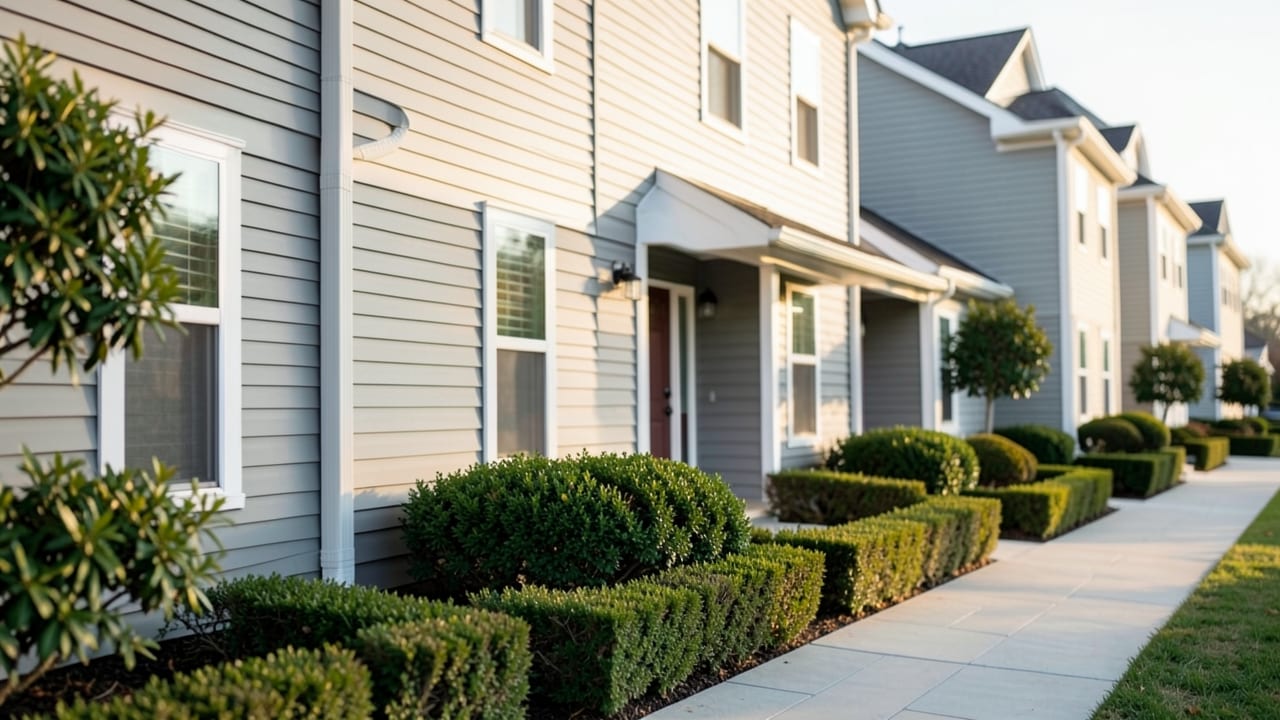
HOA Mold Remediation in Line Lexington, PA
Professional mold removal and remediation for HOA properties to restore safe, healthy living conditions.
Learn More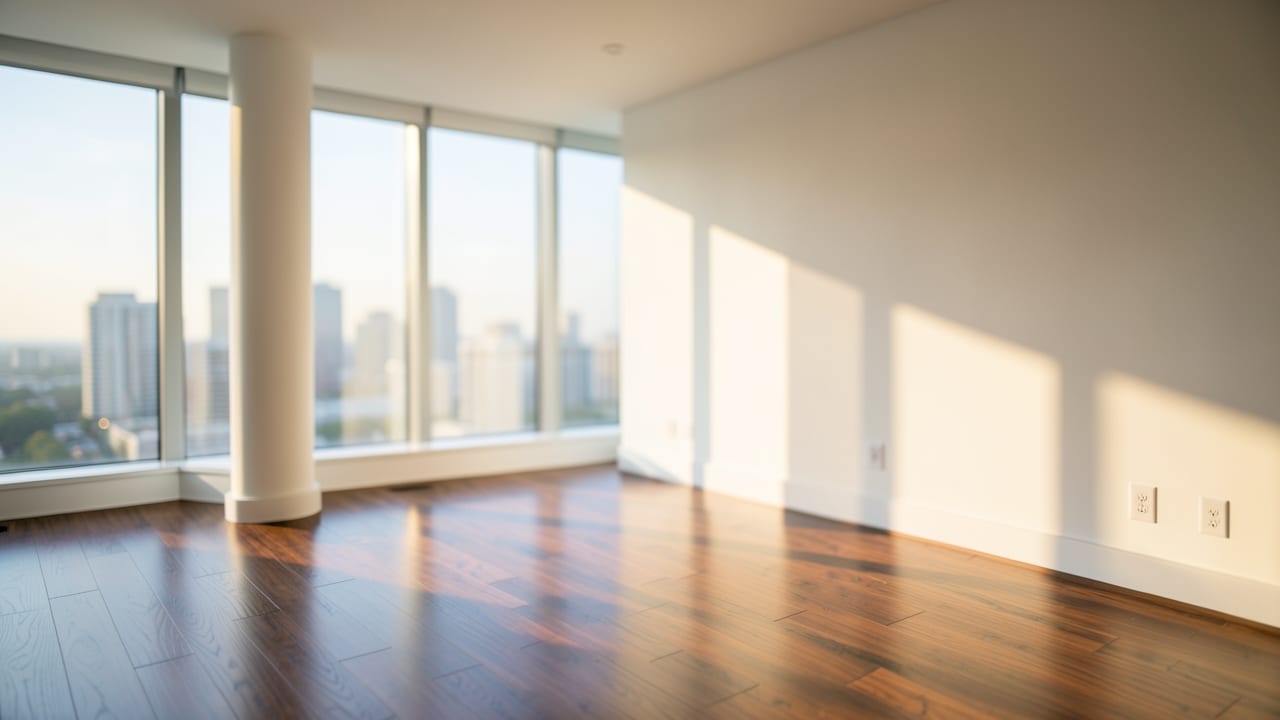
Condo Mold Remediation in Line Lexington, PA
Professional removal and treatment of mold in condominiums to restore safe, healthy living spaces.
Learn More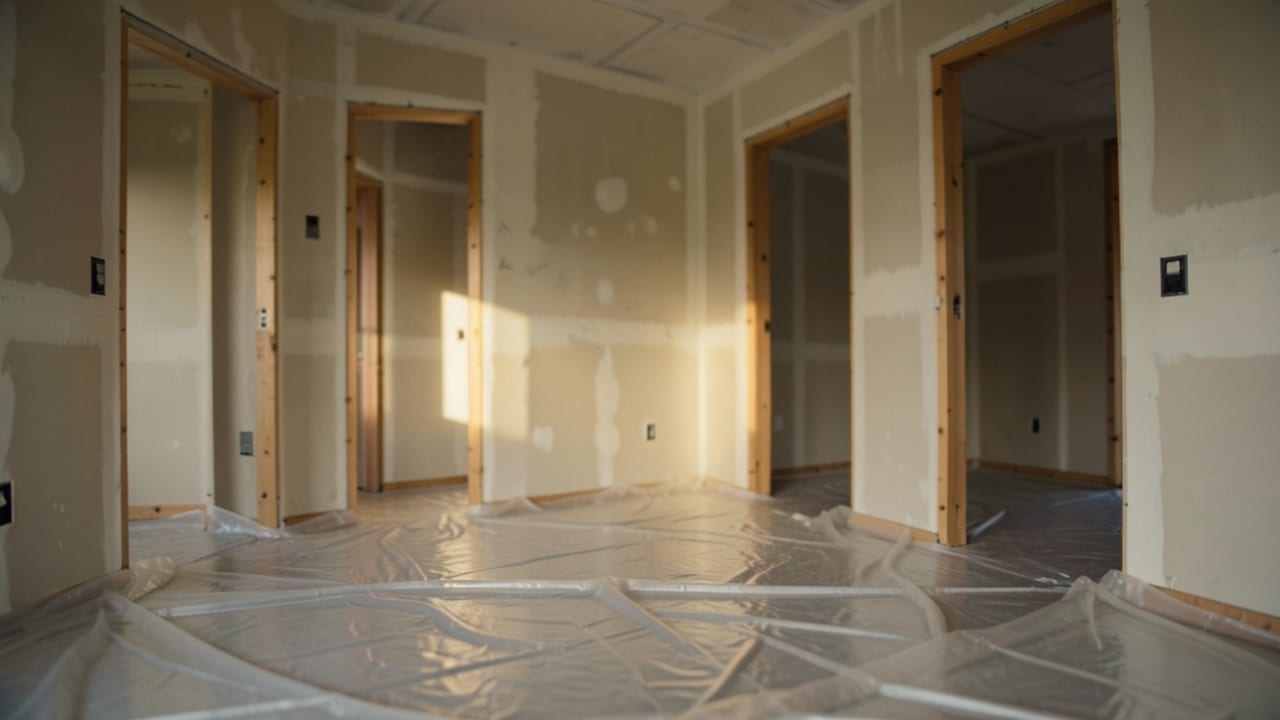
New Construction Mold Remediation in Line Lexington, PA
Professional mold removal and prevention in newly built homes to ensure safe, clean living spaces.
Learn More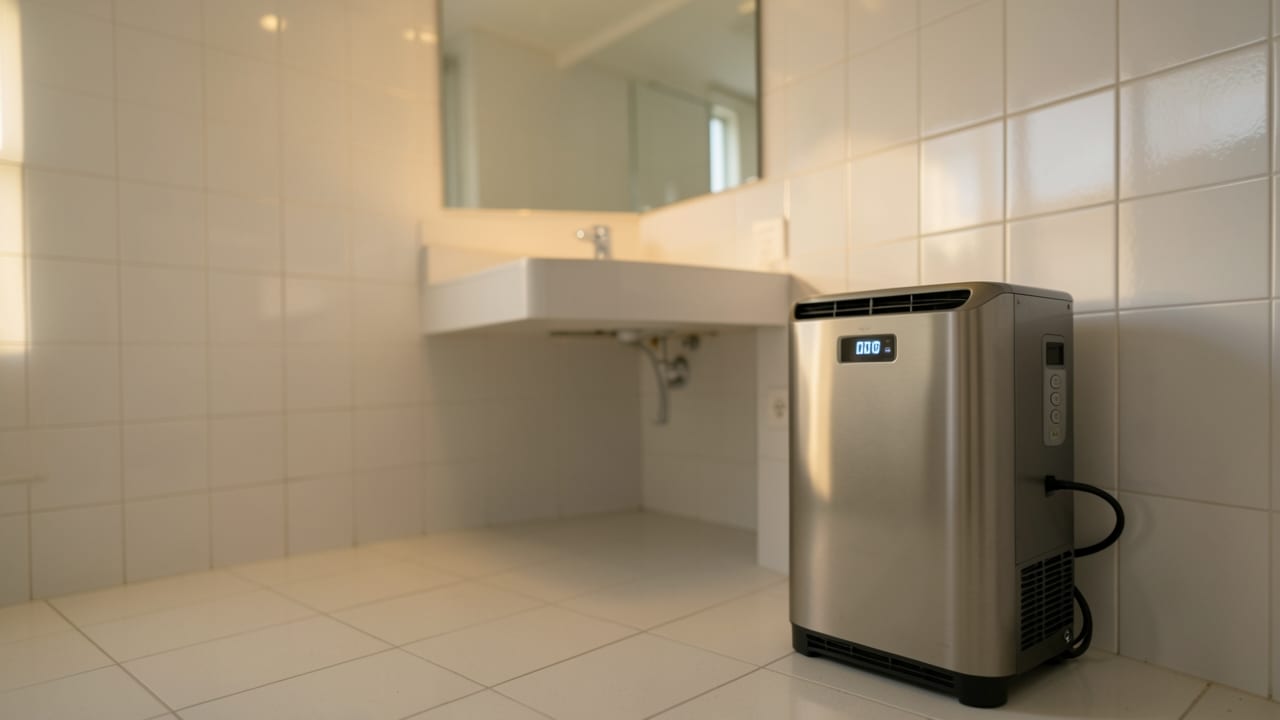
Hotel Mold Remediation in Line Lexington, PA
Professional removal and treatment of mold growth in hotel properties to restore safe, clean environments.
Learn More
Gym Mold Remediation in Line Lexington, PA
Professional removal and treatment of mold in gyms to restore safe, clean environments.
Learn MoreCommon Questions About Mold Remediation in Line Lexington
Everything you need to know about mold remediation services in Line Lexington
How much does Pre-Winter Mold Prevention typically cost in Line Lexington, PA?
Why does Line Lexington, PA's humidity make mold a bigger risk than in drier regions?
Is a final clearance test part of a typical mold remediation job?
How does mold remediation actually prevent the problem from coming back?
Can mold growing inside HVAC ductwork spread to the rest of a home?
Does mold mean the same thing as mildew?
Need Mold Remediation in Line Lexington?
Connect with local providers in Line Lexington for a detailed quote.
⏰ We answer your call • Serving all of Line Lexington and surrounding areas